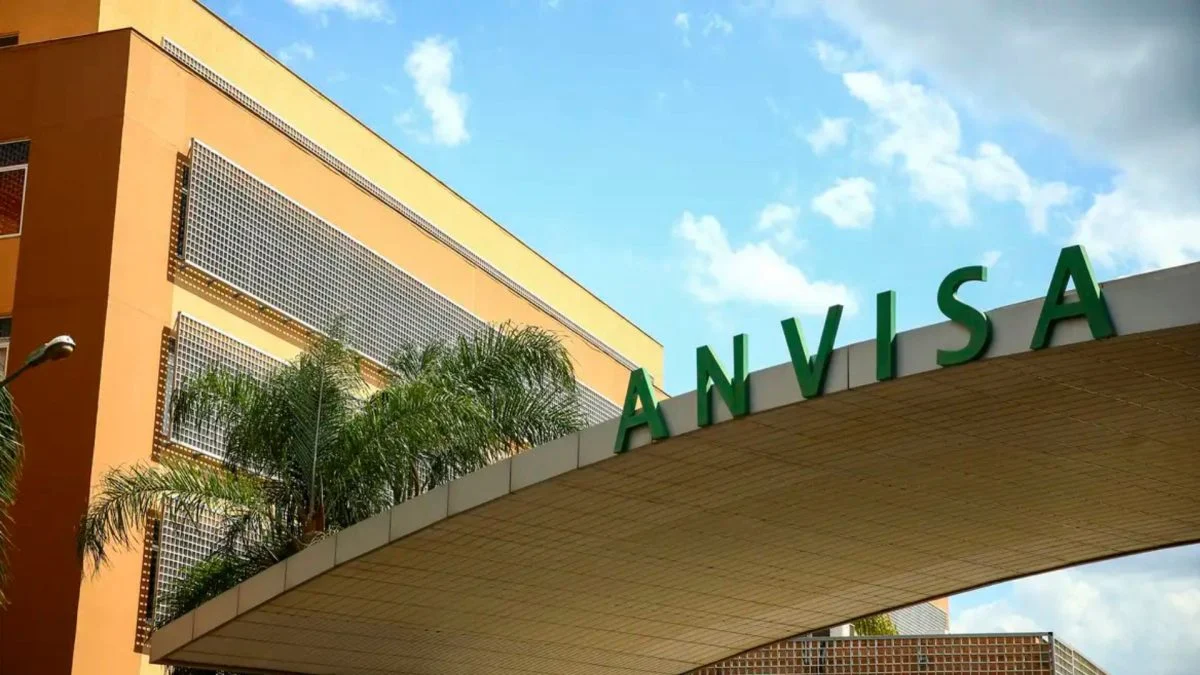
Brazil’s health regulator, Anvisa, has suspended the sale and use of all sterile hormone implants produced by MC Legacy Lab Produtos Médicos e Farmacêuticos and ordered the seizure and recall of a lot of tirzepatide associated with FarmaUSA Pharmaceutical Ltda.
The measures were announced by Anvisa on October 13, 2026, and were modified the following day. They stem from Resolution-RE No. 4,009, dated October 9, 2026.
Both actions are administrative health-regulatory enforcement measures. They are not criminal charges and do not represent court findings against either company.
What happened
Anvisa suspended the sale and use of all sterile hormone implants made by MC Legacy Lab, registered under CNPJ 23.334.258/0001-20. According to the regulator, the products also may not be manipulated or advertised.
The agency said it had established three irregularities involving the implants: the manipulation of products not authorized by Anvisa; sale and delivery without an individualized medical prescription; and release or shipment before sterility and endotoxin testing had been completed.
In a separate part of the resolution, Anvisa ordered the seizure of tirzepatide lot HXTZ251015 from FarmaUSA Pharmaceutical Ltda., registered under CNPJ 37.124.240/0001-08. The regulator prohibited the lot’s sale, distribution, manipulation and use, saying it had not complied with an earlier destruction order.
The affected FarmaUSA material is described as lyophilized tirzepatide powder for magistral use. It is not the finished branded medicine Mounjaro.
Why it matters
The MC Legacy Lab action concerns sterile implants, where the completion of sterility and endotoxin tests is directly relevant to the regulator’s stated basis for intervention. Anvisa’s decision applies across the company’s sterile hormone implant production rather than to a single identified lot.
The FarmaUSA measure concerns a specific tirzepatide lot. Tirzepatide is the regulated material named in Anvisa’s order, while the agency’s action is directed at the lot of powder for magistral use rather than a finished branded product.
For patients, prescribers, pharmacies and suppliers, the orders establish immediate restrictions on the products named by Anvisa. For the companies, the measures place their respective products under the terms of the agency’s administrative enforcement decision.
The bigger picture
The two cases show different forms of sanitary enforcement. In the MC Legacy Lab case, Anvisa cited concerns involving authorization, prescription requirements and product release before specified testing was complete. In the FarmaUSA case, it cited alleged noncompliance with a previous order to destroy the identified lot.
Anvisa’s published notice does not make the actions findings of criminal liability. The available information also does not establish a judicial ruling on the underlying matters.
No substantive public response from MC Legacy Lab to the October measure was located in the consulted materials.
FarmaUSA disputes the records
FarmaUSA contests the information in Anvisa’s files concerning the lot’s manufacturing and expiry dates, according to a response reported by Poder360. The company said the material was an active ingredient rather than a finished product and that it remained under custody in controlled storage without commercialization.
The company said it is seeking an administrative and technical resolution. Its claims have not been independently adjudicated in the verified material.
By the numbers
- All sterile hormone implants: covered by the suspension imposed on MC Legacy Lab.
- Three irregularities: cited by Anvisa in relation to the MC Legacy products.
- One tirzepatide lot: HXTZ251015, subject to seizure and restrictions involving FarmaUSA.
- October 9, 2026: date of Resolution-RE No. 4,009.
- October 13, 2026: date Anvisa published its notice, later modified on October 14.
What happens next
The published measures bar the sale and use of MC Legacy Lab’s sterile hormone implants and prohibit the sale, distribution, manipulation and use of FarmaUSA lot HXTZ251015. FarmaUSA has said it is pursuing an administrative and technical resolution. The verified information does not specify a further timetable or outcome for either case.