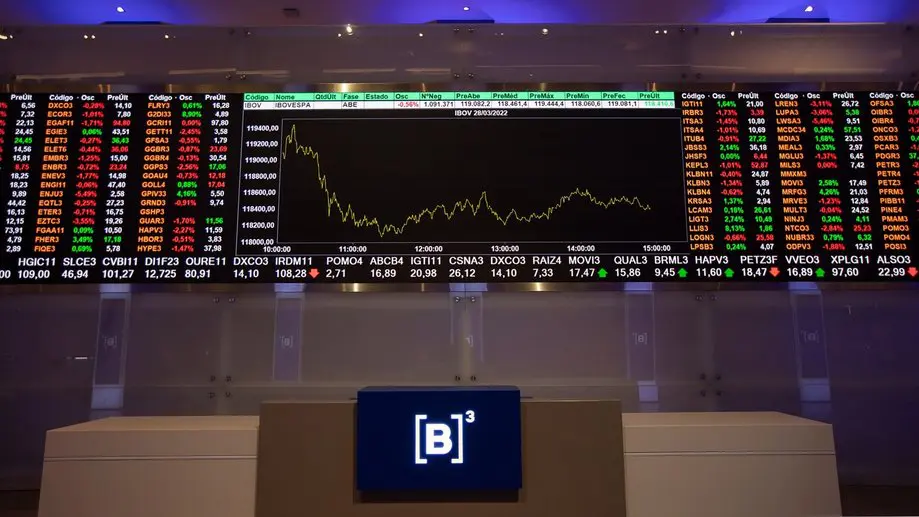
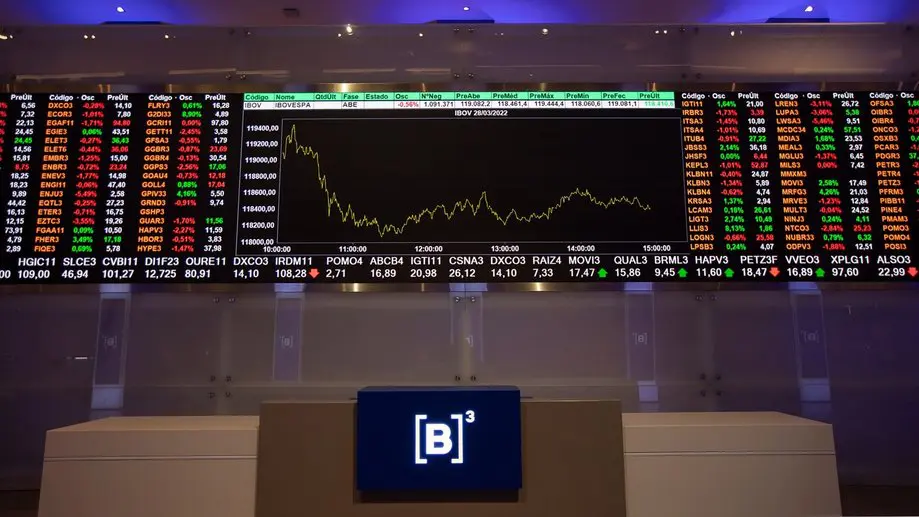
Brazil’s Ibovespa ended October at 167,921.80 points, down 9.88% for the month and 18.12% over the five trading sessions following President Luiz Inácio Lula da Silva’s reelection. The selloff came with a weaker real and sharply higher futures interest rates, while exporters generally held up better than domestically focused companies.
Dorival Renato Pavan began acting as governor of Mato Grosso do Sul on November 1 after the governor, vice governor and president of the state Assembly were all unavailable. The six-day handover follows the state constitution’s succession order and is not linked to misconduct proceedings.
Brazil’s consumer-protection authority has notified 39 fuel stations in 21 states as part of an ongoing inquiry into retail margins, purchase documentation and possible irregularities. Authorities have not made final findings against the businesses.
Brazil’s antitrust authority, CADE, reported R$164.8 million in administrative fines, 41 decided cases and 255 reviewed concentration transactions during an election-period communications blackout. Separately, its investigative arm recommended liability findings in an alleged international sports-media-rights cartel case, subject to a tribunal decision.
On May 6, 1997, a consortium bought control of Companhia Vale do Rio Doce in an auction held under Brazil’s privatization program. The transaction faced court challenges but was completed the same day, and the company—now Vale—remains a globally material iron-ore producer.
Operation Car Wash began in 2014 as a financial-crimes inquiry and grew into Brazil’s most consequential corruption investigation. Its legacy includes findings about Petrobras contracting and a Supreme Court sequence that voided convictions against Luiz Inácio Lula da Silva without deciding the underlying allegations.
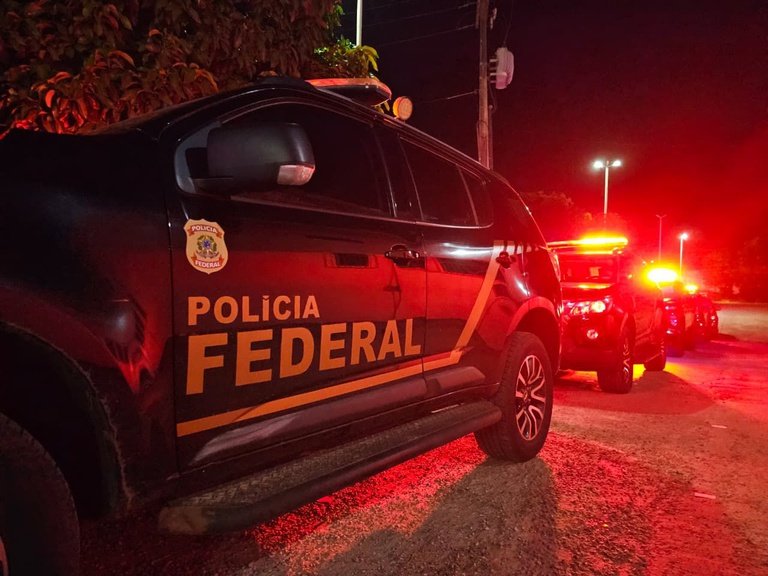
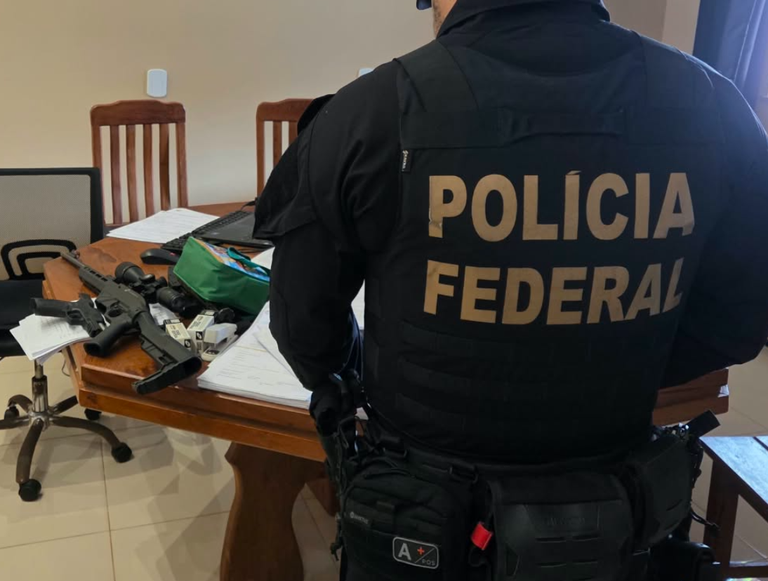
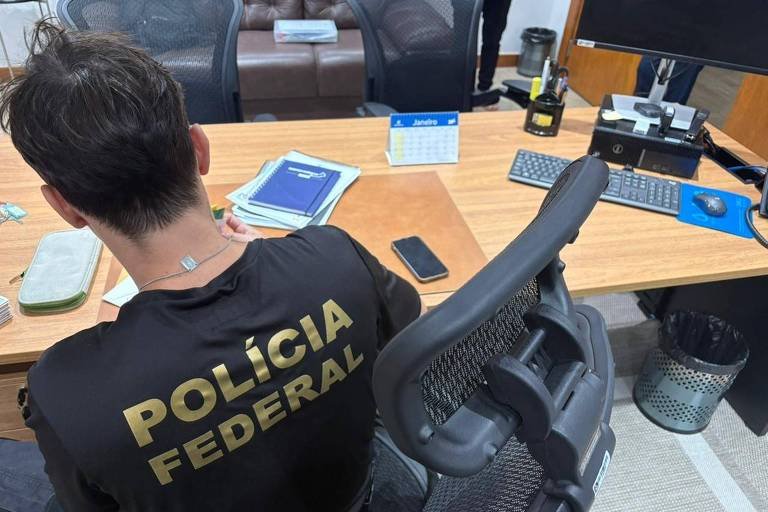
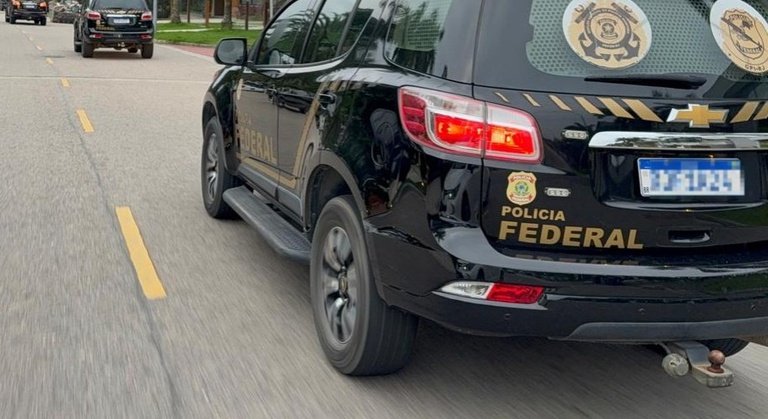
Brazil’s Federal Police have arrested six people and searched 26 locations in an investigation into suspected irregularities involving contracts and payments at Mato Grosso’s state audit court. The inquiry is at a preliminary stage and no charges or findings of guilt have been identified.
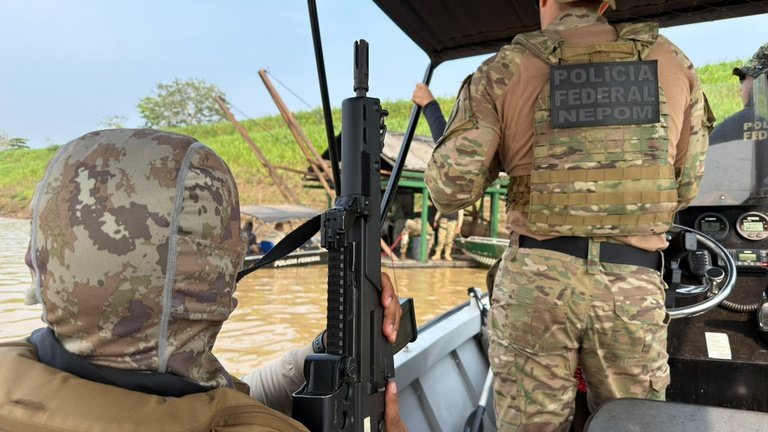
Brazilian federal agencies have carried out separate operations against unauthorized gold mining in Rondônia and Pará, disabling dredges and land-based equipment while investigations seek to identify the financial and logistical networks involved.
Eletrobras’ privatization was consummated on June 17, 2022, ending the federal government’s role as controlling shareholder. The transaction combined a capital increase with a secondary share sale and imposed a 10% voting cap on any shareholder or group, creating a company without a defined controller.
Brazilian labor prosecutors have sued Meta’s local representative over posts they say encouraged employers to monitor, expose, reject or dismiss workers for their political views or votes. A preliminary order requires the removal of 14 specified posts, but the R$50 million damages claim has not been decided.
On July 1, 1994, Brazil introduced the real at parity with a transitional unit of account, the URV. The change followed a period in which annual inflation had reached roughly 2,700%, and it sharply reduced—though did not permanently eliminate—price pressures.
Brazil’s Federal Police executed four Supreme Federal Court-authorized search warrants in Rio de Janeiro in the ninth phase of Operation Unha e Carne. The inquiry is examining suspected laundering and asset-concealment structures; no guilt has been established.
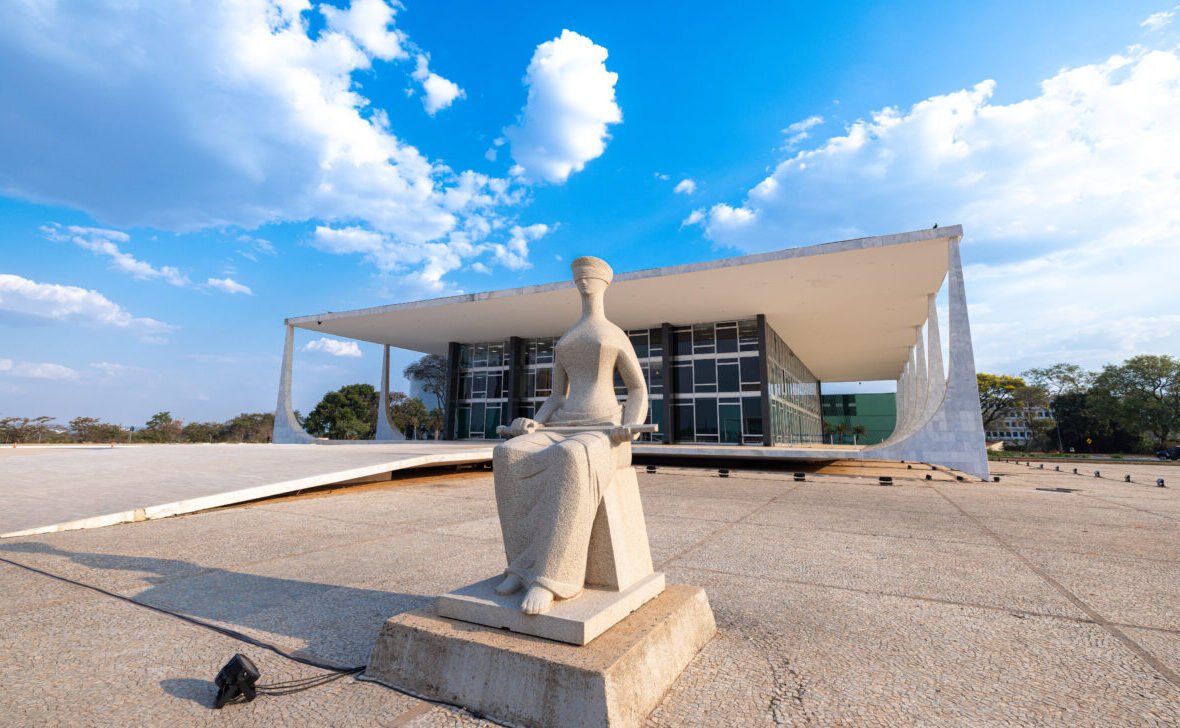
Brazil’s Federal Police will investigate possible foreign resources, overseas-paid election content, platform conduct and links to interests in critical minerals under an order by Supreme Court Justice Flávio Dino. The court said the allegations warrant scrutiny but do not establish wrongdoing.
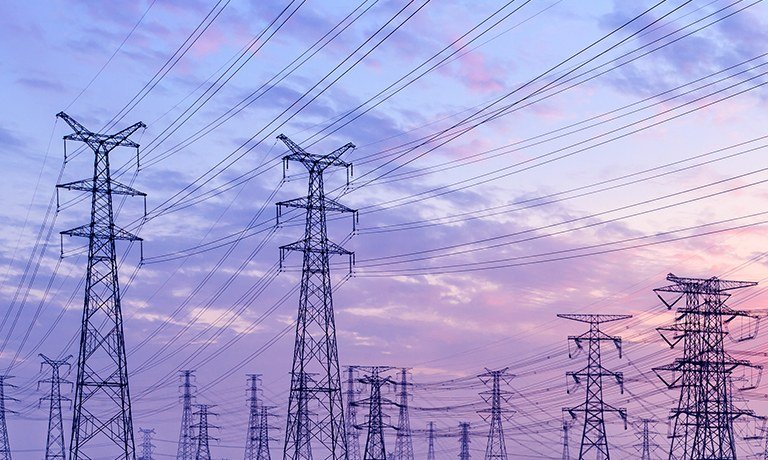
Brazil’s electricity regulator awarded all eight lots in a transmission auction on October 30, securing commitments for an estimated R$8.88 billion of future investment, nearly 1,900 km of new lines and projected employment during construction.
Brazil’s Public Labor Prosecutor’s Office recorded 1,937 complaints of alleged workplace electoral harassment through the October 25, 2026 runoff vote. The figure is a dated snapshot, not a count of proven violations, but it prompted civil actions, provisional court orders and voluntary compliance agreements.
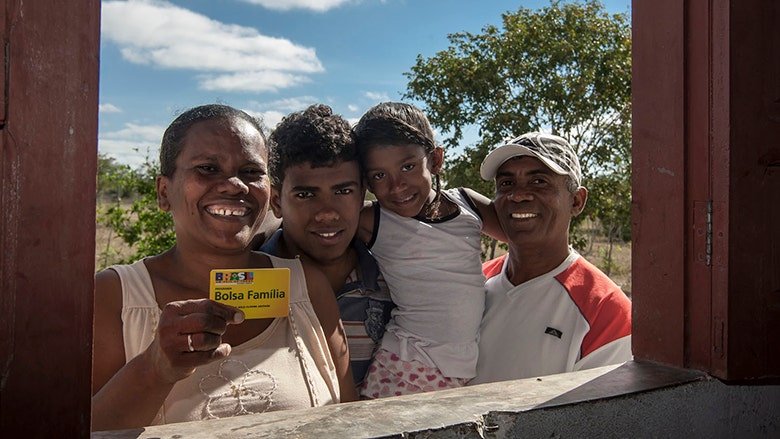
Bolsa Família began in 2003 by bringing separate federal transfer schemes under one framework. Twenty-three years later, it serves 19.3 million families, with Cadastro Único at the center of how Brazil identifies beneficiaries and delivers support.
Raízen and companies in its economic group have agreed a federal tax settlement covering R$22.4 billion in liabilities. The company says the deal, which includes R$2.5 billion in cash from Raízen, is a condition for its planned out-of-court restructuring.
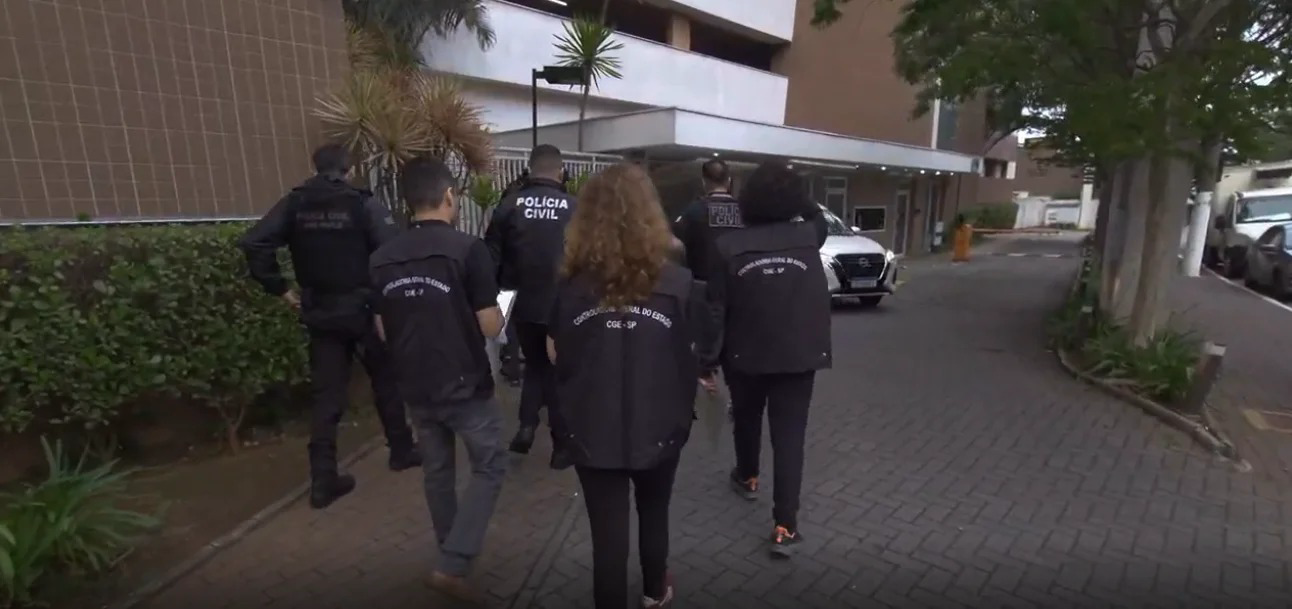
Brazilian federal police and the federal comptroller have opened an investigation into suspected fraudulent access to fishing-benefit payments in Maranhão. Authorities executed 35 warrants, obtained asset-blocking orders of about R$400 million and estimate the alleged scheme could have caused R$10 billion in losses over five years if it had continued.
Brazil’s government is studying fiscal-adjustment measures, including a possible expansion of spending subject to contingency restrictions, as it seeks the midpoint of its 2026 primary-balance target. No new controls or legislative package had been published as of October 28.
Brazil’s Federal Police searched premises in Rio de Janeiro on January 23, 2026, in an investigation into roughly R$970 million invested by the state pension authority Rioprevidência in Banco Master financial notes. No charges or findings of guilt have been announced.
Brazil’s Federal Police will open a Supreme Court-supervised inquiry into allegations of foreign interference involving Flávio Bolsonaro’s presidential campaign. The order does not establish that foreign support reached the campaign or that any crime occurred.
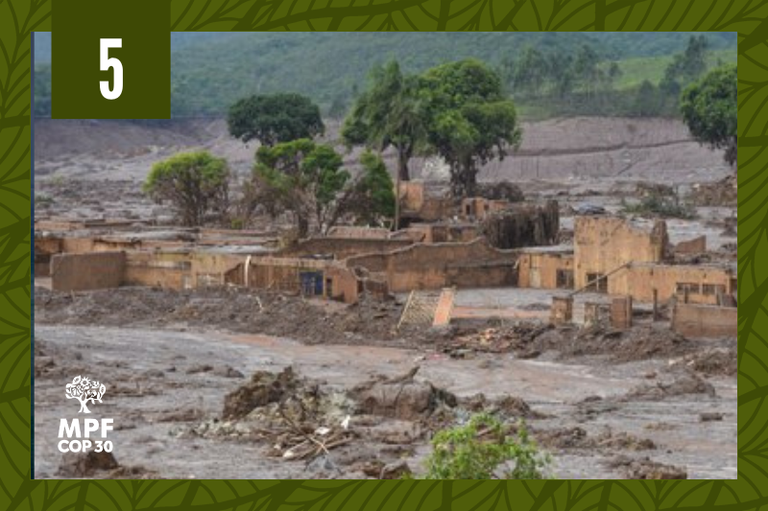
Brazil’s Federal Court of Accounts found that the former federal mining regulator’s dam-safety oversight was deficient after the 2015 Fundão collapse, particularly in enforcing emergency-planning requirements. The administrative finding did not determine that regulatory failures caused the disaster.
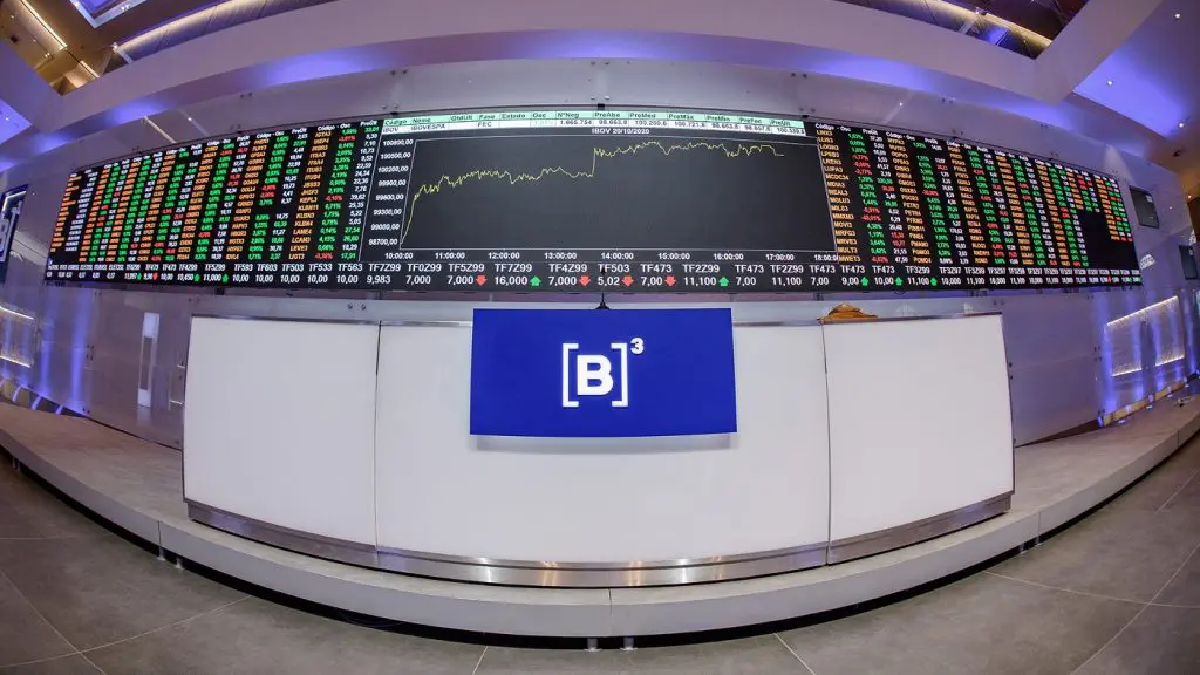
Brazil’s Ibovespa fell 13.88% on October 26 after Luiz Inácio Lula da Silva’s re-election, triggering B3’s circuit breaker, while the commercial dollar rose 8.21%. The Treasury reportedly cancelled scheduled bond auctions as markets reassessed fiscal-policy risk.
President Luiz Inácio Lula da Silva and Senator Flávio Bolsonaro traded personal attacks and competing misconduct accusations in their first televised debate ahead of Brazil’s October 25 presidential runoff.
Brazil’s central bank has issued three consumer-protection regulations covering debt information, individualized credit marketing and loan offers made during Pix transactions. The principal provisions are scheduled to begin taking effect from March to July 2027.
Brazil’s Supreme Federal Court has provisionally suspended the effects of a lower-court ruling that restored Belo Sun’s installation licence for the Volta Grande gold-mining project in Pará. The decision does not finally determine the project’s licensing dispute.
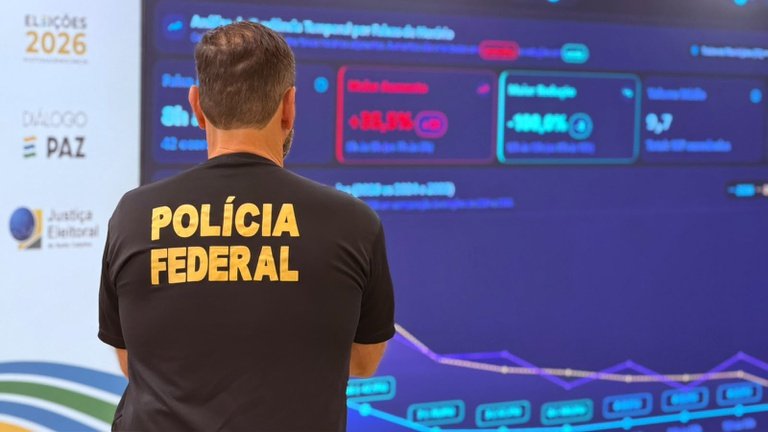
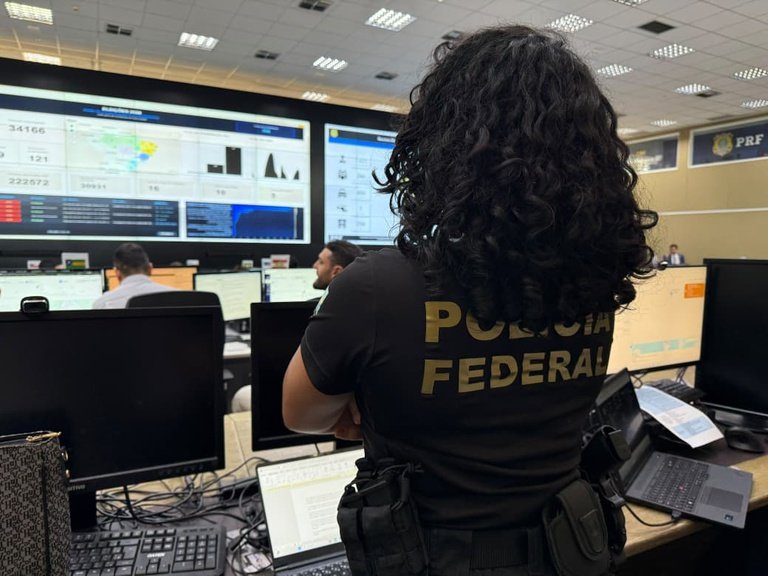
Brazil’s Federal Police said it had opened 1,538 electoral-crime inquiries in 2026 as of October 21, alongside 89 operations and R$51.6 million in reported seizures, before the October 25 runoff.
World Bank analysis estimates that extreme poverty in Brazil fell from 9.9% in 2001 to 4.0% in 2013 under administrative thresholds used by Bolsa Família and Brasil Sem Miséria. The record points to a combination of transfers, growth, jobs and improved income distribution—not a single programme acting alone.
Brazil’s electoral inspector-general gave Meta and X Brasil 24 hours to provide technical explanations about AI tools, political-content distribution and moderation in an investigation into alleged preferential treatment of presidential candidates.
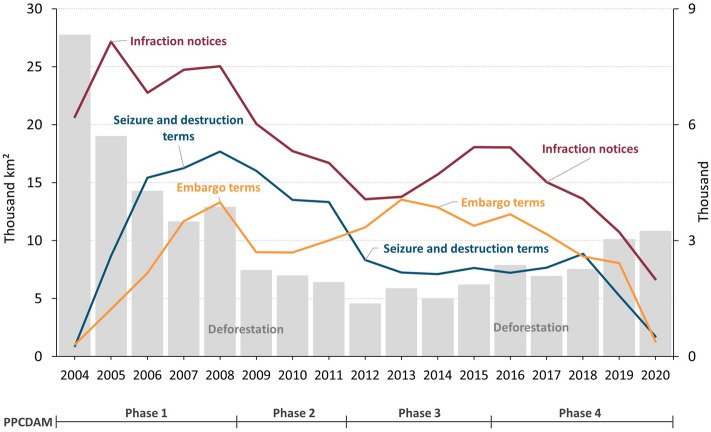
Launched on March 15, 2004, Brazil’s PPCDAm coordinated land planning, satellite monitoring, enforcement and sustainable-production policies. PRODES data show Legal Amazon deforestation fell from 27,772 km² in 2004 to 4,571 km² in 2012, before rising again and testing whether the policy mix could be sustained.
Brazil’s top electoral court unanimously upheld a preliminary order requiring Meta to apply equal treatment to the presidential campaigns of Lula and Flávio Bolsonaro through the October 25 runoff. The court has not concluded that Meta deliberately manipulated content distribution.
Brazil’s Supreme Federal Court has clarified when electricity distributors’ 10-year obligation to direct recovered PIS/Cofins tax amounts to consumers begins. The ruling does not require an immediate or uniform reduction in electricity bills.
Brazil’s monetary authorities have amended the Open Finance framework to require consent for each partner entity, strengthen governance duties and allow data sharing to be halted in security-risk situations.
Brazil’s Federal Police arrested Rio de Janeiro state deputy Márcio Canella and former Civil Police chief Marcus Vinicius Amim Fernandes as part of an investigation into a suspected criminal organization. The case remains at the investigative stage, with no charges, trial or convictions identified.
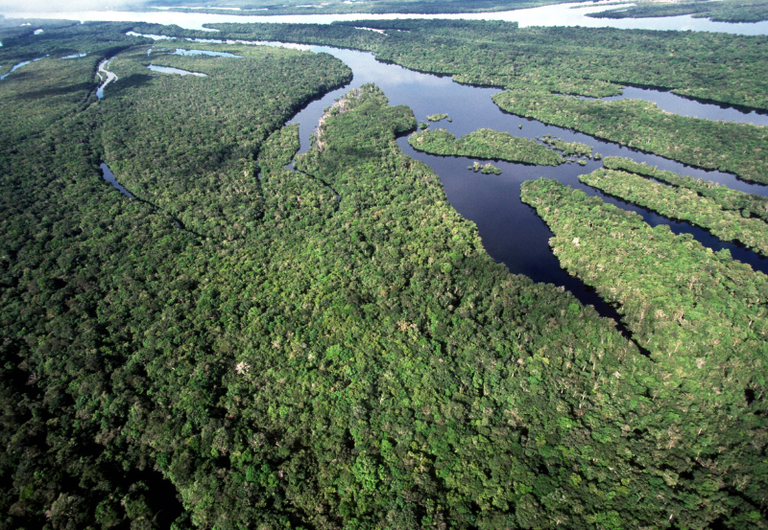
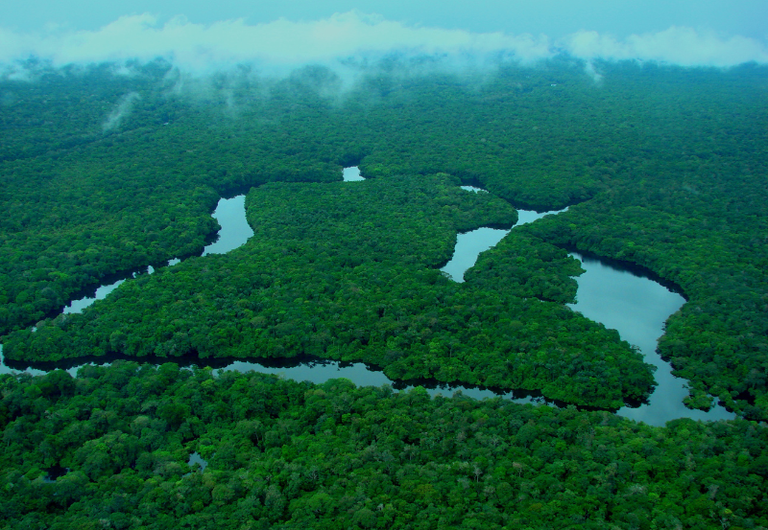
Brazil has tracked annual clear-cut deforestation in the Legal Amazon since 1988. Its latest consolidated estimate recorded 5,731 km² in 2025, extending a public record that shows both steep reductions and later resurgence.
Brazil’s top electoral court unanimously ordered the Liberal Party to remove an Instagram video that used AI-generated imagery to depict President Luiz Inácio Lula da Silva in a fictitious prison encounter and associate him with organized crime.
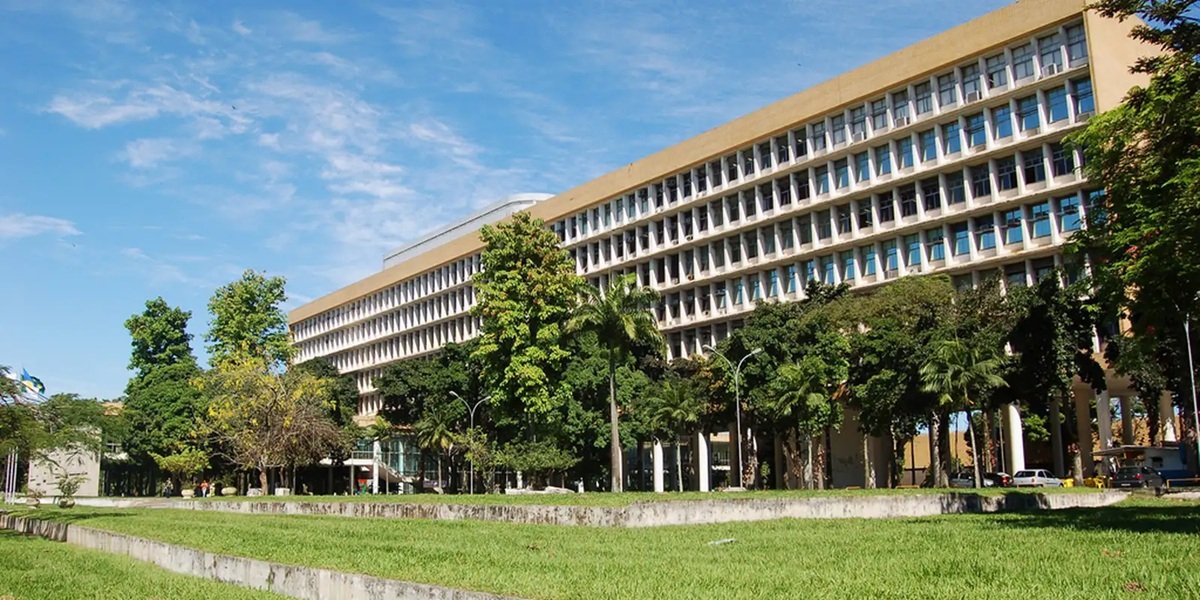
Brazil’s Federal Police executed 13 search-and-seizure warrants in Rio de Janeiro as part of an investigation into possible fraud in a March 2026 public examination held by the Federal University of Rio de Janeiro.
Brazil publicly recognized the persistence of contemporary slave labor in 1995. Since then, the Labour Ministry says specialized enforcement actions have removed 65,598 workers from conditions classified by authorities as analogous to slavery.
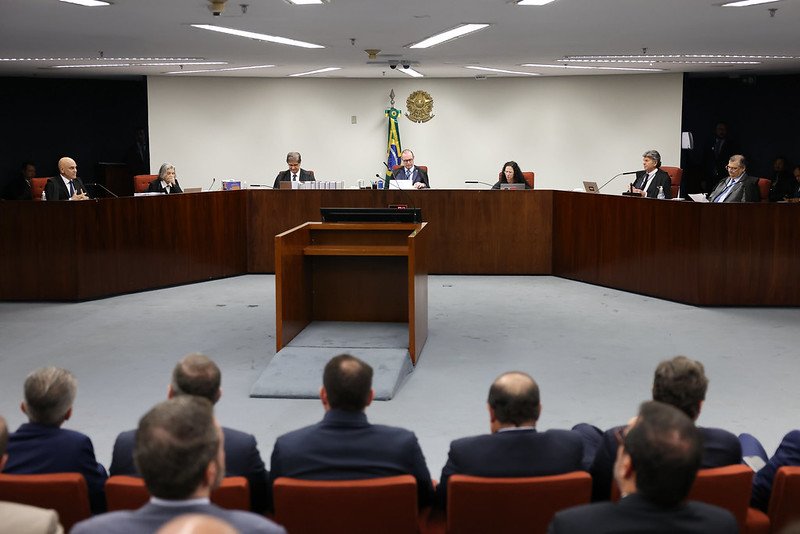
Brazil’s Supreme Federal Court convicted former president Jair Bolsonaro and seven associates in September 2025 over an attempted coup case. Bolsonaro’s 27-year, three-month sentence became final in November, though he has since sought annulment through a separate criminal-review action.
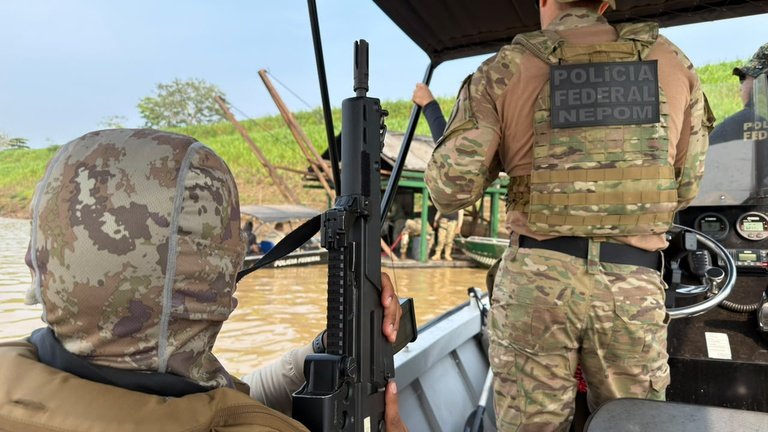
Brazil’s Federal Police said it disabled 15 dredges and related equipment during a joint operation with Ibama on the Madeira River in Rondônia. The action remains at the investigation stage, with no arrests, charges or final findings of liability announced.
Brazil’s Supreme Federal Court accepted charges against 40 people in 2007 in the case known as Mensalão. Its main AP 470 ruling ended in 2012, and subsequent appeals brought acquittals on particular counts while leaving other outcomes in place.
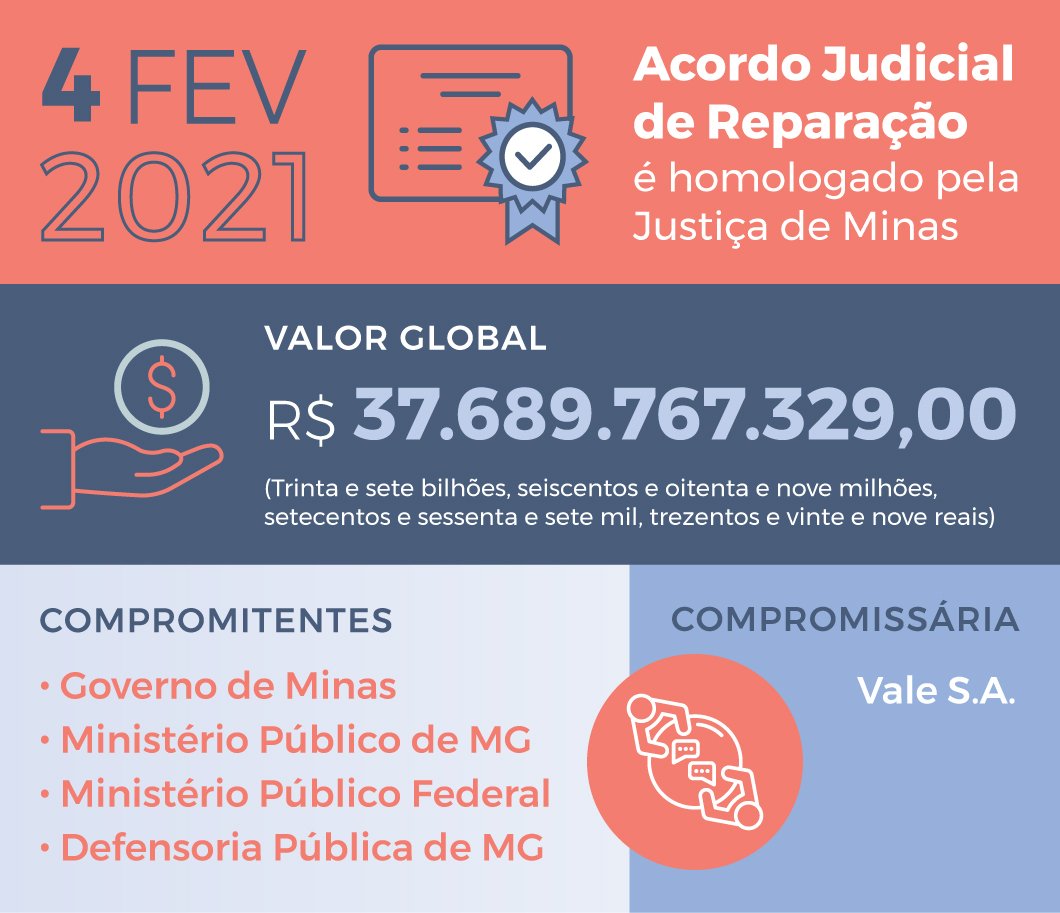
Vale’s dam collapse in Brumadinho killed 272 people under Minas Gerais’s official count and released about 12 million cubic metres of tailings. A 2021 reparation agreement remains under implementation, while related criminal proceedings have yet to reach a final judgment.
Brazil’s INPE reported an estimated 3,335 km² of native-vegetation suppression in the Legal Amazon in 2025/2026 and a consolidated 5,516.69 km² in the Cerrado, both below previous lows in their respective monitoring series.
Brazilian Federal Police and the Federal Revenue Service carried out searches in two cities in Ceará state as part of an investigation into suspected unauthorized sales of weight-loss medicines and possible customs offenses.
Brazil’s Federal Police said its final October 4 election-operation tally included 49 inquiries, 100 summary-offense reports and R$2.85 million in seized property and funds. The figures concern suspected offenses and do not establish guilt.
Brazil’s electoral court has ordered Meta to apply equal treatment to Luiz Inácio Lula da Silva and Flávio Bolsonaro across its platforms before the October 25 presidential runoff. The injunction does not determine that Meta previously acted with political bias or intentionally favored either candidate.
On October 5, 1988, Brazil promulgated the Constitution that remains in force today. Drafted by a National Constituent Assembly after the country’s democratic regime resumed in 1985, it defined Brazil as a democratic state under the rule of law and set protections for rights, institutions, the environment and Indigenous peoples.
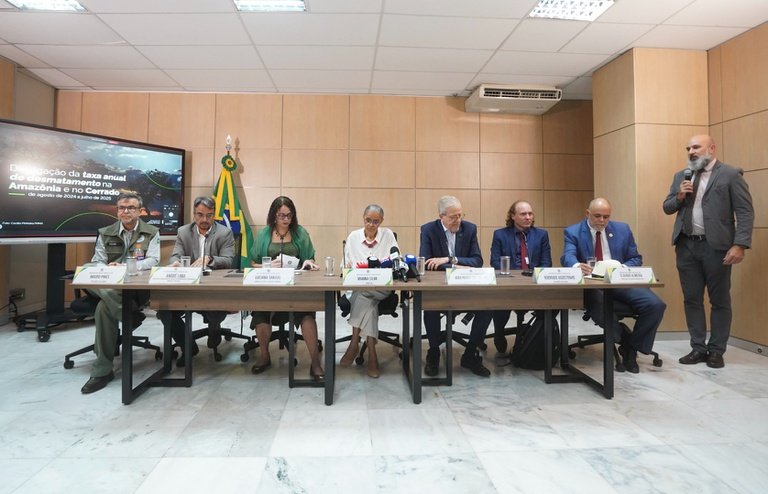
Brazil’s INPE space research institute says annual forest clearing in the Legal Amazon fell to 3,335 square kilometers in the year through July 2026, the lowest result in its Prodes series. The figure marks progress toward the government’s 2030 zero-deforestation objective, but does not mean that target has been met.
Created on October 20, 2003, Bolsa Família merged federal transfer programs into a single national framework. It reached more than 19.34 million families in June 2026, while its current legal model combines income support, Cadastro Único registration and health and education requirements.
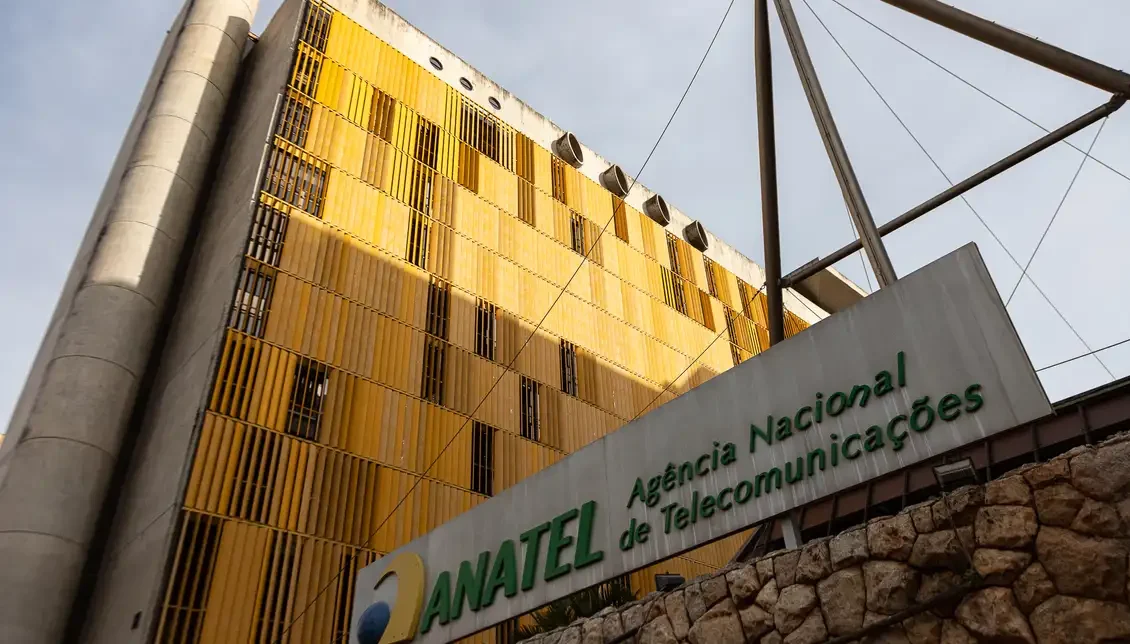
Brazil’s Supreme Federal Court has given telecom regulator Anatel 48 hours to provide further details after inspections found that free, data-cap-exempt access to digital electoral services was not uniform during the first-round voting period.
Brazil’s health regulator has authorized phase 1 human research on Vivaxin, a candidate targeting Plasmodium vivax malaria. The trial will test safety and immune response in 48 adults, not whether the product can yet be sold or used in public vaccination.
A R$170 billion reparations agreement, approved by Brazil’s Supreme Court in 2024, replaced the Fundação Renova-centered model for addressing damage from the 2015 Fundão dam collapse. Authorities, communities and oversight bodies are now focused on how the framework is implemented.
Launched on March 17, 2014, Operation Lava Jato developed into a wide-ranging set of criminal, audit and administrative proceedings linked to alleged wrongdoing involving Petrobras contracts. A 2021 Supreme Court ruling that annulled judicial acts in former president Luiz Inácio Lula da Silva’s specified Curitiba cases on jurisdictional grounds remains central to understanding its complex legal legacy.
Brazil’s Federal Police arrested six people in the latest phase of an investigation into suspected protection for an alleged money-laundering network operating through fuel stations in metropolitan Rio de Janeiro. Investigators said a financial-intelligence report identified more than R$7.6 billion in movements over six years, a figure that does not establish criminal proceeds or losses.
A Supreme Federal Court justice ordered the preventive detention of six people in a Rio de Janeiro investigation into alleged organized crime, money laundering and links to a fuel-station network. The detentions were maintained after custody hearings; the case remains under investigation.
Brazil’s Federal Police said an operation with environmental agency Ibama personnel rendered 15 dredges inoperative on the Madeira River in Rondônia, in an investigation into alleged illegal mineral extraction.
Brazil’s health regulator has suspended the sale and use of all sterile hormone implants produced by MC Legacy Lab, citing three regulatory irregularities. In a separate measure, it ordered the seizure and recall of a FarmaUSA lot of tirzepatide powder; the company disputes Anvisa’s records and says the material was not sold.
Brazil’s space research agency estimates that deforestation in the Legal Amazon fell 41.8% in the latest PRODES monitoring period. The 2026 figure is preliminary and does not measure fires or wider forest degradation.
Mato Grosso Civil Police have launched Operation Legado, an investigation into suspected money laundering connected to possible wrongdoing in contracts from the previous administration of Nossa Senhora do Livramento. A court ordered asset freezes and other measures, while the allegations remain unproven.
Brazil’s Federal Police and federal comptroller launched an investigation into the alleged diversion and sale of 122 vehicles transferred from public agencies to a civil-society organization. Authorities estimate a potential R$4.4 million loss, while stressing the case remains at the investigative stage.
Brazil sold control of Companhia Vale do Rio Doce in May 1997, enacted a new telecommunications law two months later and sold 12 companies created from the Telebrás System breakup in July 1998. The measures transferred major mining and telecom assets and services to private control under a new regulatory framework.
Brazil’s official PRODES data show that clear-cut deforestation in the Legal Amazon fell sharply between 2004 and 2012, rose again to a 2021 peak, and has declined in the latest years. The record underscores both the impact and the fragility of forest-protection policy.
Brazil’s Federal Police, federal auditors and prosecutors have opened an investigation into suspected irregularities in health-unit management contracts in the northeastern municipality of Nossa Senhora do Socorro. Authorities estimate potential public losses at R$15.6 million, an amount that has not been established by a final court ruling.
Embraer was privatized on December 7, 1994, under Brazil’s National Privatization Program. Official records point to later capitalization, the ERJ-145 rollout and export financing as important elements in the company’s subsequent recovery.
Brazil’s Supreme Federal Court and Federal Police discussed how material related to the Banco Master investigations should be handled if it contains references to Supreme Court justices. The meeting established a procedural route, not evidence of wrongdoing by any justice or other person.
Brazil recorded 2,874.38 square kilometers of Amazon deforestation alerts from August 2025 through July 2026, down 36% from the prior DETER cycle. The rapid-alert measure guides enforcement and is distinct from INPE’s annual Prodes assessment.
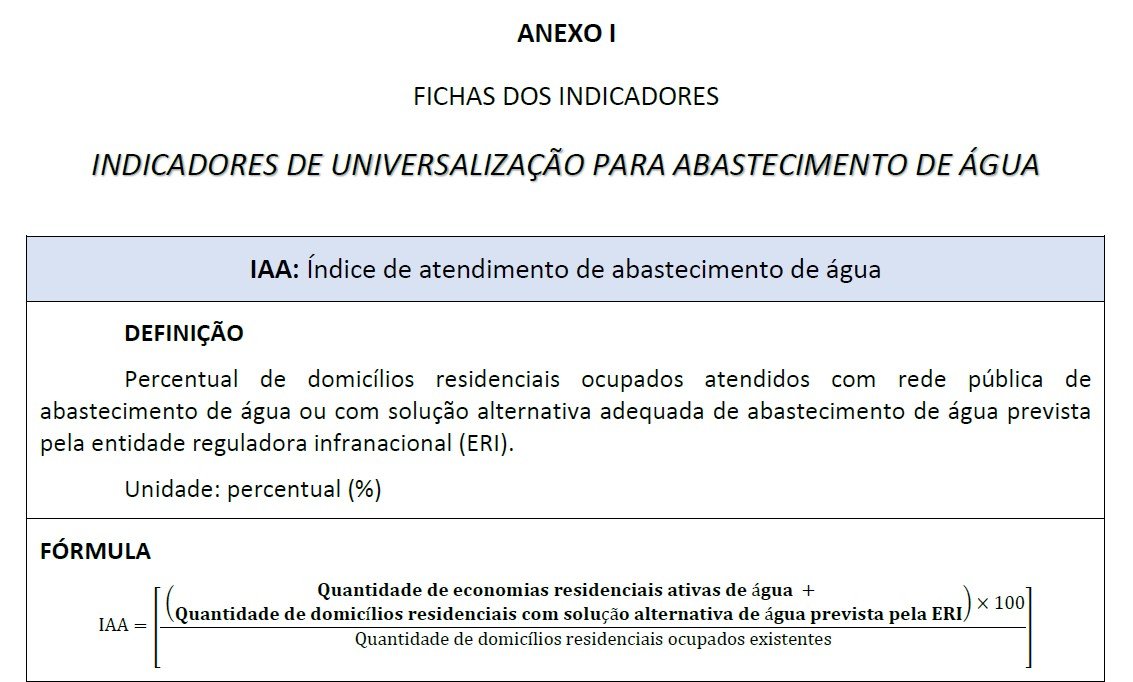
Brazil’s 2020 sanitation-law reform set contractual goals for 99% of the population to receive potable water service and 90% to receive sewage collection and treatment by December 31, 2033. The deadline remains in the future, and a 2024 ANA rule defines how municipalities are assessed.
Brazil's Ibovespa ended four consecutive losses on September 29, closing 0.46% higher at 183,827.59 points. Investors weighed official figures showing 5.3% unemployment and 165,827 net formal jobs created in August, while uncertainty before the October 4 presidential election remained a market consideration.
More than a decade after the Fundão dam failure killed 19 people, a R$170 billion agreement has reshaped responsibilities for remediation and compensation in Brazil’s Rio Doce basin.
Brazil’s National Mining Agency said written contributions to its proposed safety and emergency-preparedness rules for mining piles were due by October 14, 2026. The proposal remains under consultation and has not become a final regulation.
Brazil’s INPE recorded 5,731 square kilometres of deforestation in the Legal Amazon in 2025, down from a 2021 peak of 13,038 square kilometres. The data show a sustained decline in measured forest loss, while separate DETER alerts also fell in the latest monitoring cycle.
Between 1993 and 1999, Brazil privatized or concessioned major state-linked assets including CSN, Embraer, Vale, the Telebrás system and regional rail freight networks. The period remains central to debates over regulation, foreign investment and the role of the state.
Brazil’s Federal Police have opened an investigation into whether judicial decisions may have favored real-estate and construction companies, with alleged benefits reaching a magistrate’s family. The case remains at the investigative stage, with no finding of wrongdoing.
Brazil’s environment and regional development ministers flew over fire-affected areas of Amazonas on October 11 as the federal government expanded a response that includes aircraft and firefighting crews. Officials have reported operational deployments and fires extinguished, but no outcome measure yet shows a reduction in overall fire damage or emissions.
Brazil’s Labor Ministry says a nationwide August 2026 inspection operation administratively rescued 479 people from conditions classified as analogous to slavery. The findings trigger administrative and civil procedures and do not amount to criminal convictions for inspected employers.
Operation Lava Jato began on March 17, 2014, as a money-laundering inquiry and expanded into cases involving Petrobras contracts, construction companies and political figures. It produced arrests, charges, agreements, convictions and reported recoveries, but later faced consequential judicial reversals in cases involving Luiz Inácio Lula da Silva.
The 2019 collapse of Vale’s B-I tailings dam in Brumadinho killed 272 officially recognized victims and triggered a multibillion-real reparation agreement, continuing legal cases and a global tailings-management standard.
Brazil’s oil and gas regulator has approved a renewed 24-month restriction on biodiesel transactions between liquid-fuel distributors, citing traceability and oversight of fuel used in mandatory diesel blending.
Brazil’s antitrust tribunal has upheld the closure of an administrative investigation linked to the Soy Moratorium after a binding Supreme Court ruling required related proceedings to end. The decision did not determine whether the companies investigated engaged in anticompetitive conduct.
The 2019 collapse of Vale’s B1 tailings dam killed 270 people, plus two unborn children. A collective reparation agreement did not end individual civil claims or criminal proceedings, and Brazil’s Superior Court of Justice continues to shape the rules for compensation cases.
Brazil formally acknowledged contemporary slave labor in 1995. Three decades later, official data records thousands of workers removed through inspections, while underscoring that administrative findings do not amount to criminal convictions.
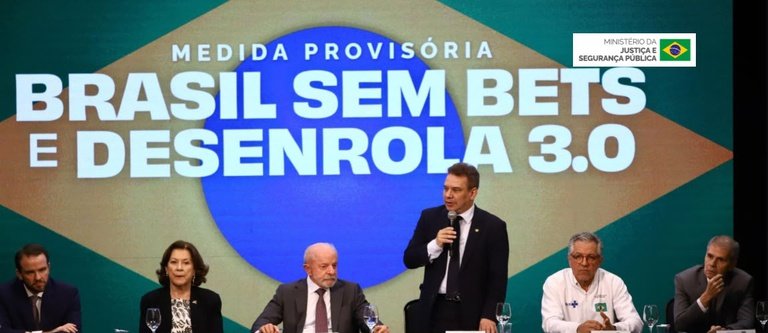
Brazil has begun the process of returning an estimated R$1.325 billion in betting balances to about 26.5 million customers after a provisional measure prohibited fixed-odds betting. Refunds are scheduled through October 14, while the measure remains under congressional consideration and is being challenged at the Supreme Court.
Brazil introduced the real on July 1, 1994, after using the URV as a transitional unit of account. The plan rapidly reduced monthly inflation, while later reforms helped consolidate longer-term price stability.
On September 27, 2018, Petrobras reached coordinated U.S. resolutions over misleading disclosures and control failures linked to conduct by former executives. Later Brazilian findings estimated cartel-related losses, while the Supreme Federal Court annulled Luiz Inácio Lula da Silva’s Curitiba convictions on jurisdictional grounds—not on the merits.
Brazil’s oil regulator received winning bids for seven pre-salt blocks in its fourth Permanent Production-Sharing Offer cycle, the highest number awarded in such a cycle to date. The awards remain subject to post-auction requirements before contracts are signed.
Eletrobras’s 2022 capitalization diluted the Brazilian federal government’s stake below a majority, raising R$33.69 billion while retaining a federal golden share and state control of Eletronuclear and Itaipu-related interests.
São Paulo’s comptroller-general and Civil Police are investigating suspected irregular withdrawals of somatropin from a public specialized pharmacy in Santo André. The inquiry remains at an investigative stage, and the Health Secretariat says patient treatment was not interrupted.
Brazilian federal police and Rio de Janeiro prosecutors launched Operation Magen on October 7, seeking arrests and searches in a case that has led to charges against 10 people. Authorities allege a network involving serving and former security officers sold weapons, disclosed restricted information and laundered money. No convictions have been reported.
Brazil’s Ministry of Labour and Employment added 82 employers to its public registry of cases involving conditions analogous to slavery. The ministry says inclusion follows a final administrative ruling after two levels of due process.
Brazil’s annual unemployment rate was 6.6% in 2024, the lowest in IBGE’s comparable series beginning in 2012. Employment and formal private-sector jobs also reached records, though informal work remained widespread.
Brazil’s 2024 agreement over the 2015 Fundão dam collapse replaces the Renova framework with public-authority-led programs. Its R$170 billion valuation combines spending already made with payments and obligations extending over years.
Brazil’s INPE monitoring agency recorded 5,731 square kilometres of clear-cut deforestation in the Legal Amazon in 2025, down 12.07% from the consolidated 2024 figure. The reduction marks progress toward Brazil’s 2030 zero-deforestation objective, but substantial annual forest loss continues.
Brazil has begun taking fixed-odds betting sites and apps offline under a federal provisional measure that bans their operation, offering, intermediation and advertising nationwide.
Brazil’s Mines and Energy Ministry has opened a public consultation on a proposed 1% greenhouse-gas emissions-reduction target for the natural-gas market in 2027. The target is not yet in force and would be met through biomethane participation in natural-gas consumption.
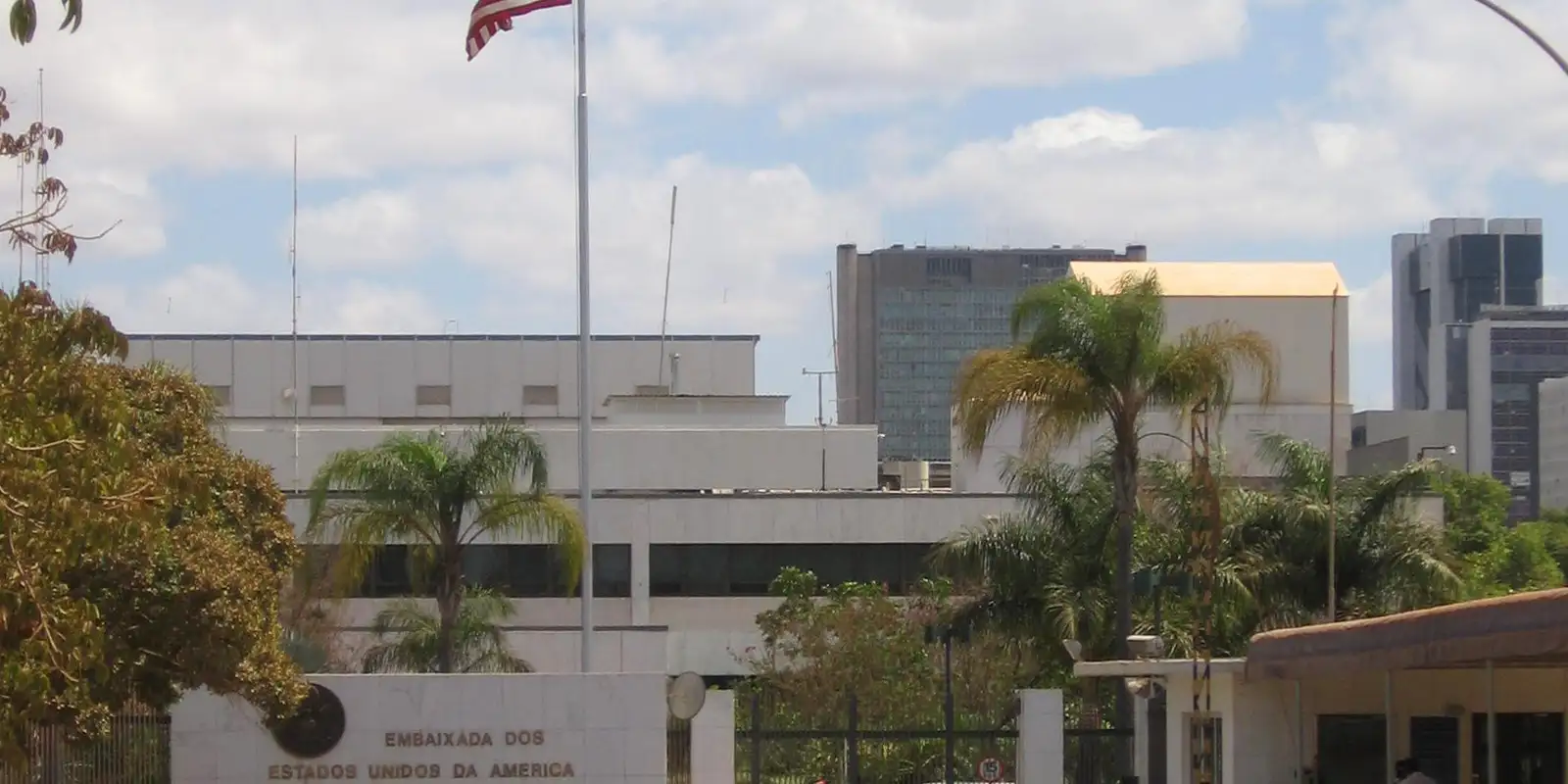
Brazil’s Federal Police executed two warrants in a confidential investigation into alleged risks to U.S. diplomatic facilities. The force says evidence collected so far shows no concrete plan or effective risk, while seized devices remain under analysis.
Brazil’s Supreme Federal Court upheld the annulment of convictions against Luiz Inácio Lula da Silva in April 2021 because the Curitiba court lacked jurisdiction over the cases. The decision was not an acquittal on the underlying allegations, and it came amid a broader Lava Jato record that included independently substantiated Petrobras-related bribery and procurement misconduct.
Brazil’s pre-salt oil fields have moved from a major discovery announced in 2007 to the source of about 80% of national oil production in 2025, underpinning the country’s net oil exports.
Petrobras closed at a record R$700.08 billion market capitalization on October 2 after reporting another oil-bearing interval at an exploratory well off Amapá. The result remains preliminary, with environmental licensing under appeal.
Brazil’s Federal Police reported preliminary election-day enforcement figures on October 4, including 194 people taken in and R$1.83 million in assets and cash seized. The cases remain under investigation and the figures do not establish guilt.
Brazil’s Federal Police said that, by 11:30 a.m. on October 4, 2026, it had opened five inquiries into suspected electoral crimes and recorded R$769,278.50 in preliminary seizures. The figures were later superseded by higher totals and do not establish guilt.