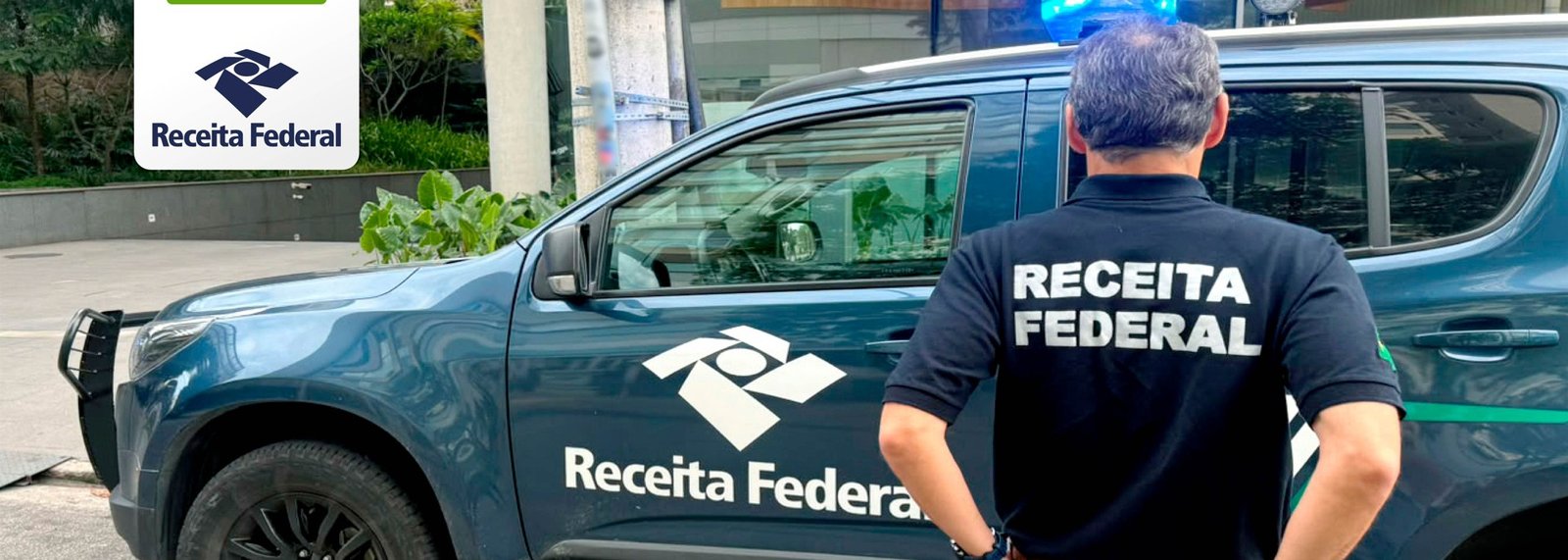
Brazil’s Federal Revenue Service and prosecutors in the southern state of Paraná launched two connected operations on November 4, 2026, targeting an alleged network of shell companies, fictitious invoices and financial structures used in the animal-byproducts trade.
The enforcement action combined the second phase of Operation Enxágue with a separate investigation, Operation Catéter. Courts authorized 64 searches across 28 municipalities in Paraná, São Paulo, Santa Catarina and Rio Grande do Sul, as well as seizure or asset-unavailability orders of up to R$271.48 million. Nine investigated people were also subjected to non-custodial precautionary measures.
The case remains at the investigation stage. Authorities have alleged tax evasion and money laundering, but the verified materials report no convictions. The official release did not identify the investigated people or companies, and no material public response from them or from the financial entities referenced in the investigation was available in the consulted sources.
Two operations, separate financial limits
The joint operation is significant in scale, but its components have distinct procedural identities. Enxágue was described by authorities as entering its second phase, while Catéter was launched concurrently and was not identified as a second phase of Enxágue.
Operation Enxágue accounted for 37 court-authorized searches and up to R$143,390,934.40 in patrimonial restrictions. Operation Catéter accounted for the other 27 searches and up to R$128,090,762.56 in restrictions. Together, the authorized ceiling was R$271,481,696.96.
That distinction matters because the asset-restriction figures relate to different investigative strands. Catéter arose from a prosecutorial inquiry opened in 2024. Authorities said the company targeted in that investigation had R$128.09 million in ICMS debts registered through 23 active-debt certificates.
ICMS is Brazil’s principal state-level tax on the circulation of goods and certain services. In commercial supply chains, invoices document transactions and can support tax-credit calculations. The alleged use of invoices without real underlying deals would therefore affect both the reporting of sales and the tax credits claimed by businesses in the chain.
The alleged mechanism: invoices, tax credits and asset-poor entities
According to the authorities, the connected groups relied on shell companies, known in Brazil as noteiras, to issue invoices for transactions that did not occur. Investigators allege that the invoices generated fictitious ICMS credits while tax obligations were concentrated in entities with no assets or physical operating structure.
The alleged structure has two linked effects. First, invoices that do not reflect actual trade can create an appearance of commercial activity and support improper tax-credit claims. Second, placing resulting tax liabilities in companies that lack assets can make collection more difficult if the liabilities are later assessed or registered for recovery.
Authorities also allege that receivables funds and finance companies were used in connection with the scheme. These entities operate around commercial receivables: claims for payment arising from invoices can be sold, financed or otherwise transferred. Where underlying invoices are alleged to be fictitious, the financial flow associated with those documents becomes central to investigators’ effort to determine whether transactions represented genuine trade, tax evasion or the movement of illicit proceeds.
The allegations concern activity in the animal-byproducts sector. The package does not identify individual companies or people, so the available information does not establish which specific market participants were involved beyond the categories described by investigators.
Financial flows under review
The official analysis cited distinct flows in each inquiry. In Enxágue, authorities said one receivables fund transferred R$60,094,280.23 to companies they characterize as alleged shells. They also said that one securitizer and two factoring companies transferred more than R$27 million to one company alleged to have issued invoices without underlying transactions.
In Catéter, authorities reported that nine receivables funds transferred R$63,706,043.71 to the investigated company. That company, according to the authorities, returned more than R$31 million through 645 transactions.
Those figures describe transactions identified by investigators, not judicial findings that the transfers were unlawful. Their importance lies in the investigative trail: receivables funds, securitizers and factoring companies can connect invoices, payment claims and counterparties across a commercial network. Examining those links may help authorities establish whether the documents reflected real business operations and who ultimately benefited from the money flows.
Why it matters
The case illustrates how tax enforcement can extend beyond the company that formally owes a tax debt. If investigators suspect that invoice issuers, trading entities and financial intermediaries were connected through a single structure, they can seek records and asset-preservation measures across multiple states and types of entity.
For public finances, the alleged use of asset-poor companies is particularly relevant. Tax liabilities assigned to entities without meaningful assets may be difficult to recover, even when debts are formally registered. The R$271.48 million ceiling for seizure and unavailability orders represents the maximum value authorized in these operations; it is not a confirmed recovery of that amount.
For financial-market oversight, the involvement of receivables funds adds another layer. Such funds can be investors or financing vehicles rather than alleged perpetrators, and the package does not identify their investors. The authorities’ next inquiries are intended to clarify the role of participants and the destination of funds.
What happens next
Authorities said they will analyze the evidence seized during the searches and seek to identify the investors in the funds and the ultimate beneficiaries of the alleged arrangements. They have also requested information from Brazil’s securities regulator, the CVM; the Federal Revenue Service; the Central Bank; and the fund administrator.
Those steps may determine whether investigators can map ownership, financial participation and the path of the funds more fully. Any decision on criminal or other liability would require subsequent procedural steps; none is established by the searches, precautionary measures or investigative allegations reported so far.