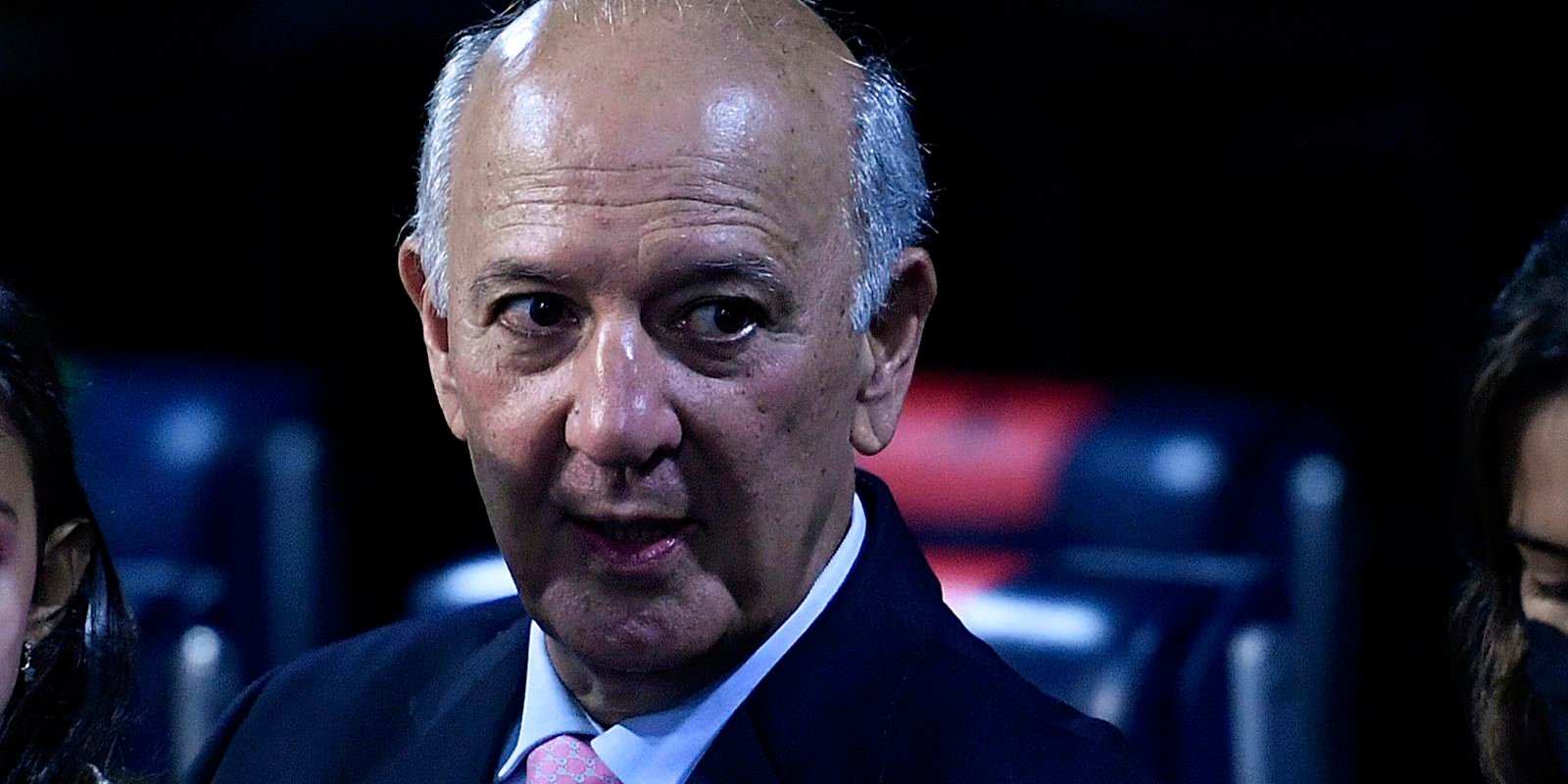
Brazil’s Superior Electoral Court, known as the TSE, has upheld the rejection of José Roberto Arruda’s candidacy for governor of the Federal District, ending his ability to campaign while his registration case was pending.
In a 5–2 vote on September 24, 2026, the court rejected Arruda’s appeal in Electoral Ordinary Appeal 0600957-40.2026.6.07.0000 and maintained an earlier decision by the Federal District’s regional electoral court, the TRE-DF.
The ruling concerns Arruda’s electoral eligibility and candidate registration. It is not a new criminal conviction.
What happened
The TSE found that a more recent collegiate judgment for intentional administrative misconduct independently sustained Arruda’s ineligibility. The majority concluded that this judgment was sufficient to deny his registration, including under the defense’s interpretation of changes made to Brazil’s Clean Record Law in 2025.
According to the court, Arruda had seven collegiate judgments for intentional administrative misconduct involving harm to the public treasury and illicit enrichment in matters connected to Operation Caixa de Pandora.
The TSE’s decision ordered immediate notice to end Arruda’s sub judice status — the provisional condition that had allowed campaign activity while the registration appeal remained unresolved. He must stop campaigning and can no longer receive electoral or party funds. The order also bars his participation in radio and television insertions and debates.
It was operationally uncertain whether Arruda’s name could be removed from voting machines that had already been sealed. That issue does not alter the court order ending his campaign activity and access to campaign resources.
Why it matters
The ruling removes a candidate from the contest for the government of the Federal District, the jurisdiction that includes Brasília, Brazil’s capital.
It also shows how Brazil’s electoral courts apply eligibility rules based on prior judicial findings in administrative-misconduct cases. In this appeal, the majority did not need to rely on the full set of seven judgments: it found that the most recent qualifying collegiate judgment alone supported Arruda’s ineligibility.
The decision therefore turns on the electoral consequences of those prior judgments, rather than establishing a new finding of criminal liability. The underlying misconduct judgments are described as appellate-level or collegiate convictions; their complete procedural status was not independently reviewed case by case in the consulted material.
The defense’s argument
Arruda’s defense argued that seven related misconduct cases should be treated under one shared starting point when calculating the period of ineligibility.
The argument relied on changes introduced by Complementary Law 219/2025, which amended the Clean Record Law framework. The defense maintained that, under this interpretation, Arruda should have been permitted to run.
The TSE majority rejected that position for purposes of this registration appeal, holding that the more recent judgment independently maintained the bar on his candidacy.
By the numbers
- 5–2: The TSE vote to reject Arruda’s appeal.
- 7: Collegiate judgments for intentional administrative misconduct cited by the court in connection with Operation Caixa de Pandora.
- September 24, 2026: Date of the TSE ruling.
- 1: More recent qualifying judgment that the majority said was, on its own, enough to sustain ineligibility.
What happens next
The immediate consequence is that Arruda’s campaign must cease, along with access to electoral and party funding, broadcast inserts and debates.
The consulted sources do not establish whether further motions or an extraordinary legal challenge were filed after the September 24 ruling. The decision nevertheless maintained the denial of his registration at the appeal stage and required the end of the campaign privileges he had exercised while the case was pending.