BRUMADINHO, Brazil — On January 25, 2019, a tailings dam operated by Vale at the Córrego do Feijão mine in Brumadinho, Minas Gerais, collapsed at 12:28 p.m., releasing about 12 million cubic metres of mining waste.
The material travelled through the Ferro-Carvão stream and into the Paraopeba River system. Minas Gerais officially records 272 deaths, a total that includes two unborn babies. Criminal proceedings, however, contain 270 homicide allegations, reflecting the different legal counting used in those cases.
More than six years later, the disaster remains a defining test of corporate accountability, environmental repair and judicial capacity in Brazil. A court-approved agreement estimated at R$37.689 billion is being implemented, but environmental repair remains unfinished and criminal liability has not been finally decided.
What happened
The collapse involved Vale’s B-I tailings dam at its Córrego do Feijão mine. The scale of the release and the death toll turned Brumadinho into one of Brazil’s most consequential mining disasters.
On February 4, 2021, Vale, the Minas Gerais state government, the Minas Gerais Public Prosecutor’s Office, the Federal Public Prosecutor’s Office and the Minas Gerais Public Defender’s Office signed a comprehensive reparation agreement. The agreement was mediated by the courts and judicially homologated, or approved.
Its estimated value was R$37,689,767,329. It combines obligations to make payments with obligations to carry out work intended to address collective socioeconomic and environmental damage. The settlement did not prevent individuals from bringing their own claims.
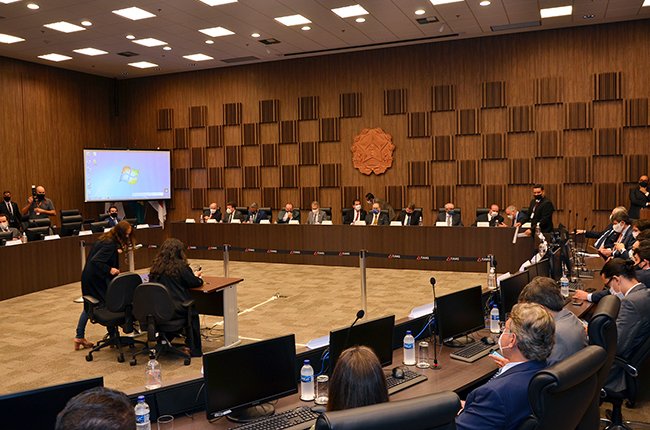
The civil agreement also did not close criminal cases linked to the collapse. Separate proceedings involve Vale, certification company TÜV SÜD and individual defendants. The homicide allegations are directed at individuals; the companies face allegations of environmental crimes.
Those cases are in the evidentiary and trial phase, including witness hearings and evidence collection. No final criminal judgment has established guilt.
Why it matters
Brumadinho illustrates the difference between a civil repair process and a criminal determination of responsibility. The 2021 agreement created a framework for compensation and collective restoration, but it did not decide criminal culpability or replace the criminal proceedings.
It also shows why headline settlement figures need careful interpretation. The R$37.689 billion amount was an estimated value for the agreement, covering both payment and performance obligations. It should not be read as a figure already spent or as proof that all required projects have been completed.
Likewise, Minas Gerais said on February 4, 2025 that R$15.6 billion in initiatives were under execution. That description refers to projects in progress, rather than confirming that the full amount had been disbursed or that the initiatives were finished.
Official reporting continues to record work and obligations involving environmental measures, sanitation, water security, mobility and public services. The continuing reporting reflects that the repair process is still active, with schedules, monetary totals and obligations subject to updates.
The bigger picture
For communities affected by the collapse, the significance of January 25, 2019 extends beyond the immediate destruction. The long-running process has tied environmental restoration, public infrastructure and compensation to a formal agreement whose execution is still being monitored.
For Brazil’s mining sector and public institutions, the case remains a measure of whether large-scale repair commitments can be delivered over time and independently assessed. The agreement covers collective and diffuse damage, while individual legal claims remain possible and criminal proceedings follow their own course.
Vale says it is implementing the judicial agreement and that it prioritizes repair and compensation. That position does not resolve the pending criminal allegations, which remain for the courts to assess on the evidence presented during trial.
By the numbers
- January 25, 2019: Date of the B-I dam collapse at Vale’s Córrego do Feijão mine.
- 12:28 p.m.: Time of the collapse, according to Minas Gerais’s historical record.
- About 12 million cubic metres: Volume of tailings released.
- 272 deaths: Official Minas Gerais commemorative count, including two unborn babies.
- 270 homicide allegations: Number used in the criminal proceedings against individual defendants.
- R$37.689 billion: Estimated value of the February 2021 comprehensive reparation agreement.
- R$15.6 billion: Value of initiatives described by Minas Gerais in February 2025 as under execution, not necessarily completed or fully disbursed.
What happens next
Implementation of the repair agreement continues, alongside ongoing official monitoring of payment and performance obligations. Environmental restoration has not been completed.
In the criminal cases, hearings and evidence collection continue. The eventual outcomes will depend on the judicial process, and the current trial-stage proceedings should not be treated as findings of guilt against any defendant.