What happened: On November 5, 2015, the Fundão tailings dam collapsed in Mariana, in the southeastern state of Minas Gerais. Nineteen people died, and the collapse caused extensive destruction and contamination along the Rio Doce basin.
The event became a defining test of Brazil’s capacity to oversee mining dams, respond to an environmental disaster and secure remediation. More than a decade later, it also remains the subject of active regulatory work and legal proceedings in more than one jurisdiction.
Immediate response and oversight failures
Brazil’s environmental agency, Ibama, says it began field monitoring on November 6, 2015, the day after the collapse. The agency recorded 73 notifications to Samarco and 25 environmental infraction notices totaling R$350.7 million. Those notices document the enforcement action taken by Ibama; the agency’s record does not establish that every fine became final or was paid.
A subsequent audit by Brazil’s federal audit court, the TCU, identified material weaknesses and risks in the then National Department of Mineral Production’s regulation and inspection of mining-tailings dams. The finding placed the disaster in a broader governance context: it was not only a local emergency, but a challenge to the effectiveness of federal oversight.
The mining regulator, now the National Mining Agency, or ANM, has said that the Fundão collapse profoundly changed its perception and working methods. The agency points to more on-site inspections and the creation of a specialized dam-safety unit as part of that shift.
Why it matters: a tougher safety framework
Mariana was an important catalyst for changes in mining-dam regulation, but it was not the only one. The later Brumadinho disaster in 2019 also materially drove the reforms adopted in 2019 and 2020. Official accounts therefore link the strengthened framework to both disasters.
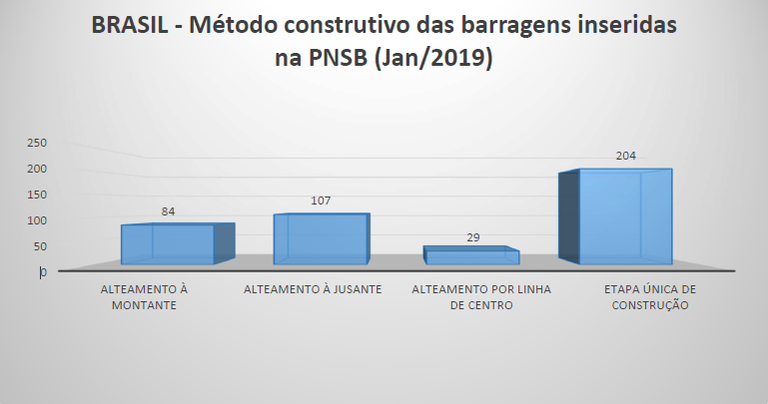
Among the key legal changes was Law 14,066/2020. The law prohibited the construction or raising of upstream mining dams and expanded requirements involving emergency-action planning and dam safety. Together with changes in inspection practices, monitoring rules and institutional specialization, the measure marked a more stringent approach to tailings-dam oversight.
The significance of Mariana lies partly in this institutional legacy. The collapse exposed weaknesses identified by auditors, while the regulatory response sought to make inspections and emergency planning more robust. The continuing work also shows that rule changes do not bring the consequences of a disaster to an immediate close.
By the numbers
- 19: people killed in the November 5, 2015 collapse.
- 73: notifications issued to Samarco, according to Ibama.
- 25: environmental infraction notices issued by Ibama.
- R$350.7 million: total value recorded in those infraction notices.
- R$132 billion: in obligations under the definitive Brazilian reparation agreement signed in 2024.
- About R$170 billion: the broader package described by officials when prior expenditures are included.
Reparations moved to a new agreement
The compensation and remediation structure first developed under the 2016 TTAC agreement and the Renova Foundation evolved into a definitive Brazilian reparation agreement signed on October 25, 2024. Brazil’s Supreme Federal Court, the STF, homologated the agreement on November 6, 2024.
Official descriptions distinguish between R$132 billion in agreed new obligations and a broader package of roughly R$170 billion that includes amounts already spent. The agreement resolved major claims involving public authorities, but it did not end every individual, municipal or foreign claim. In particular, questions of individual causation and damages remain pending in English group litigation.
Environmental management also continues. In 2026, Ibama was still consulting on studies concerning Fundão tailings deposited at the Candonga reservoir, an indication that technical questions related to the disaster remain active.
What happens next in court
Criminal liability in Brazil is not finally settled. On September 4, 2026, the Federal Regional Court of the 6th Region, or TRF6, convicted Samarco and three former managers after an appeal by federal prosecutors, according to the Federal Prosecution Service. The same ruling maintained acquittals for Vale, BHP Brasil, VOGBR and three other defendants. The ruling was issued at the appellate stage, and the available record does not identify it as a final judgment.
Separately, an English High Court found BHP liable in November 2025. Permission to appeal that liability ruling was refused in May 2026. Further phases concerning causation and damages remain pending. BHP continues to defend the English claims, while BHP and Vale have described the Brazilian settlement and remediation expenditures as central components of their response.
For Brazil, the legacy of Mariana is therefore still being measured on several fronts: the durability of tougher dam-safety oversight, the implementation of a large reparation agreement, continued environmental management and unresolved questions in litigation.